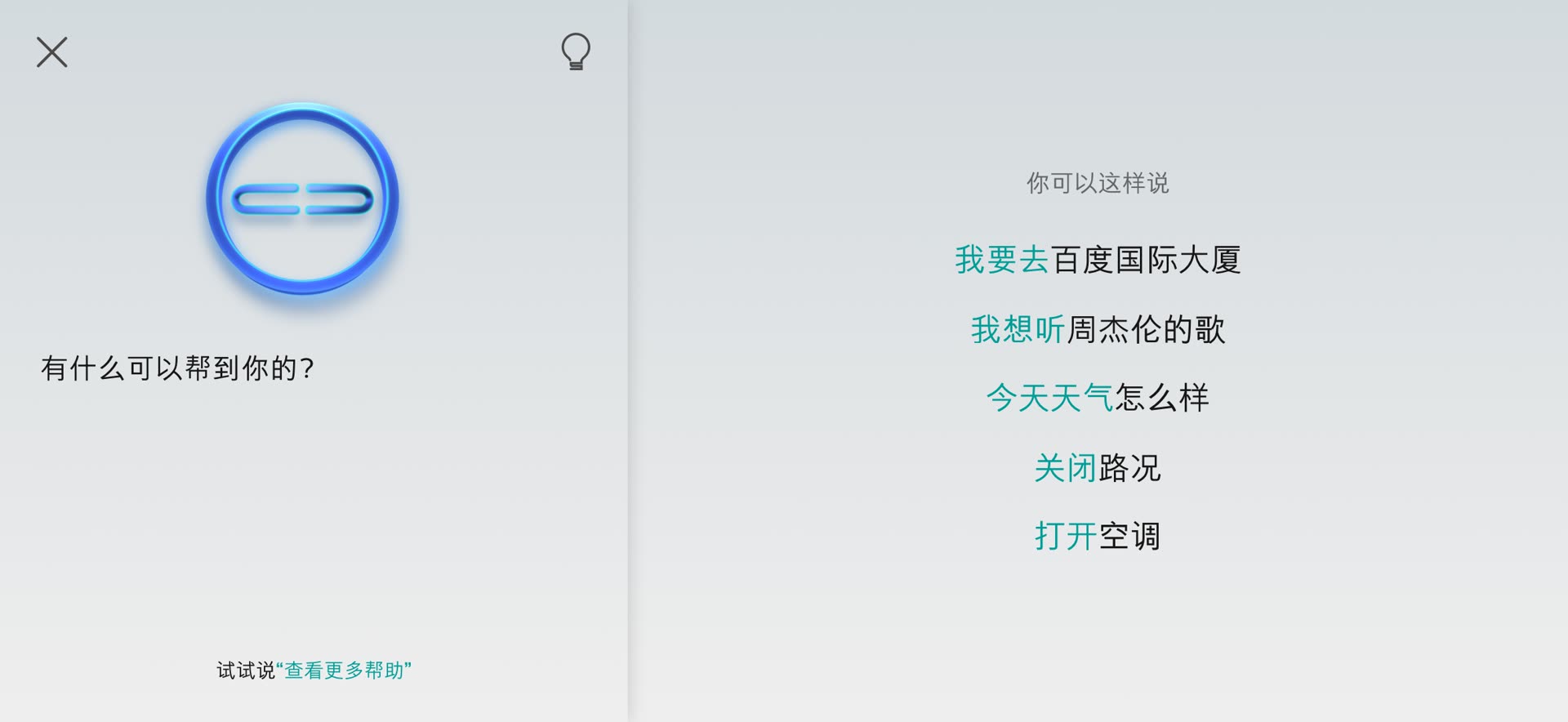
Forddy VPA: Virtual Personal Assistant for Ford
Interactive
Forddy VPA: Virtual Personal Assistant for Ford
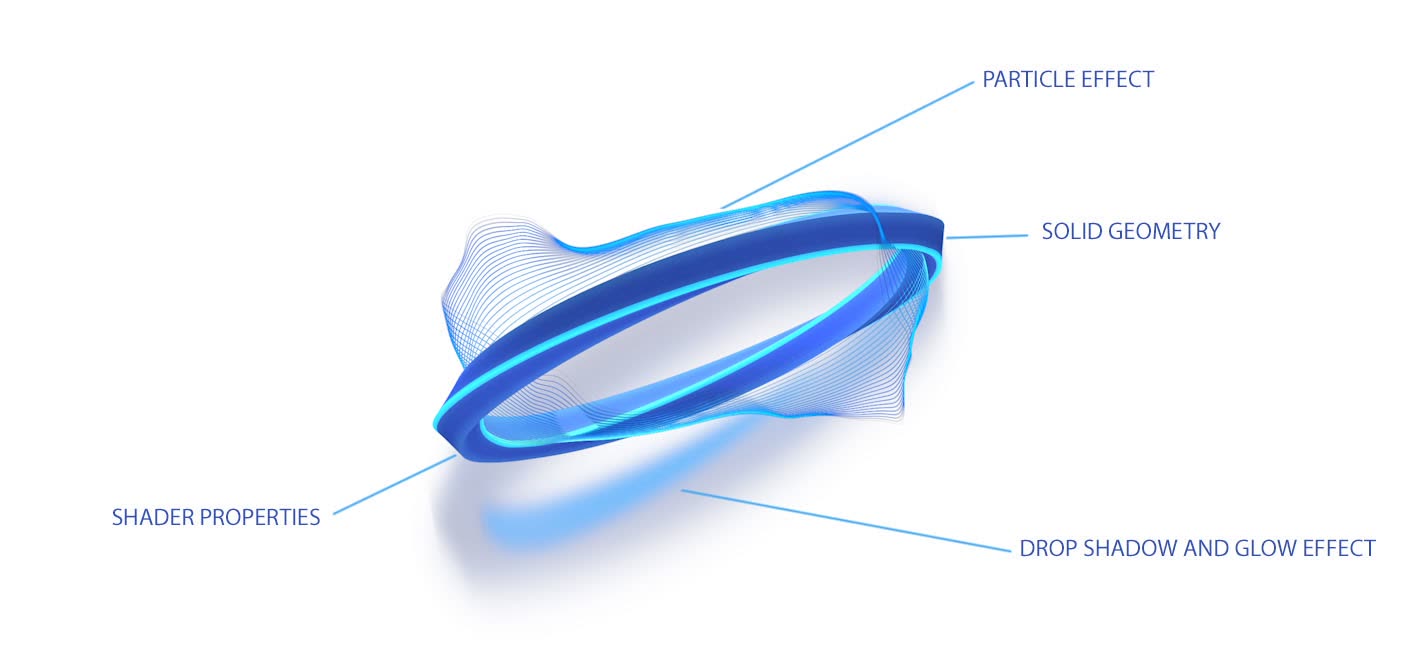
3D Motion graphics
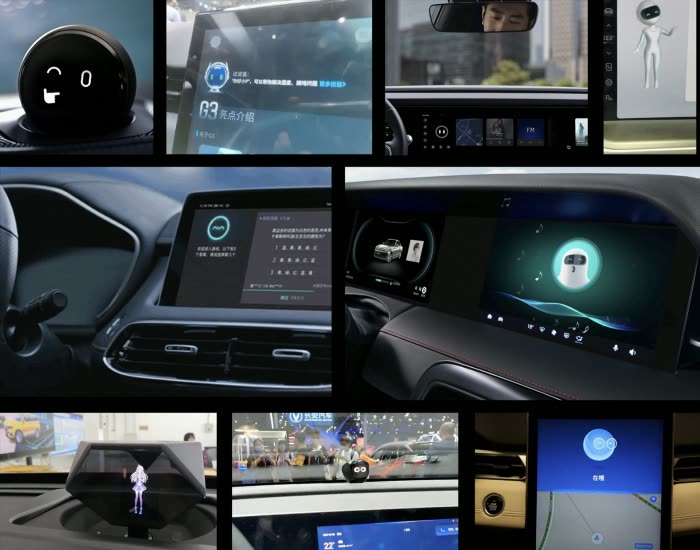
Digital assistants are now part of most car manufacturers’ ecosystems. They even have a name: VPA, or Virtual Personal Assistant. In China, they are often not just abstract symbols but actual characters that can not only provide information but also express emotions.
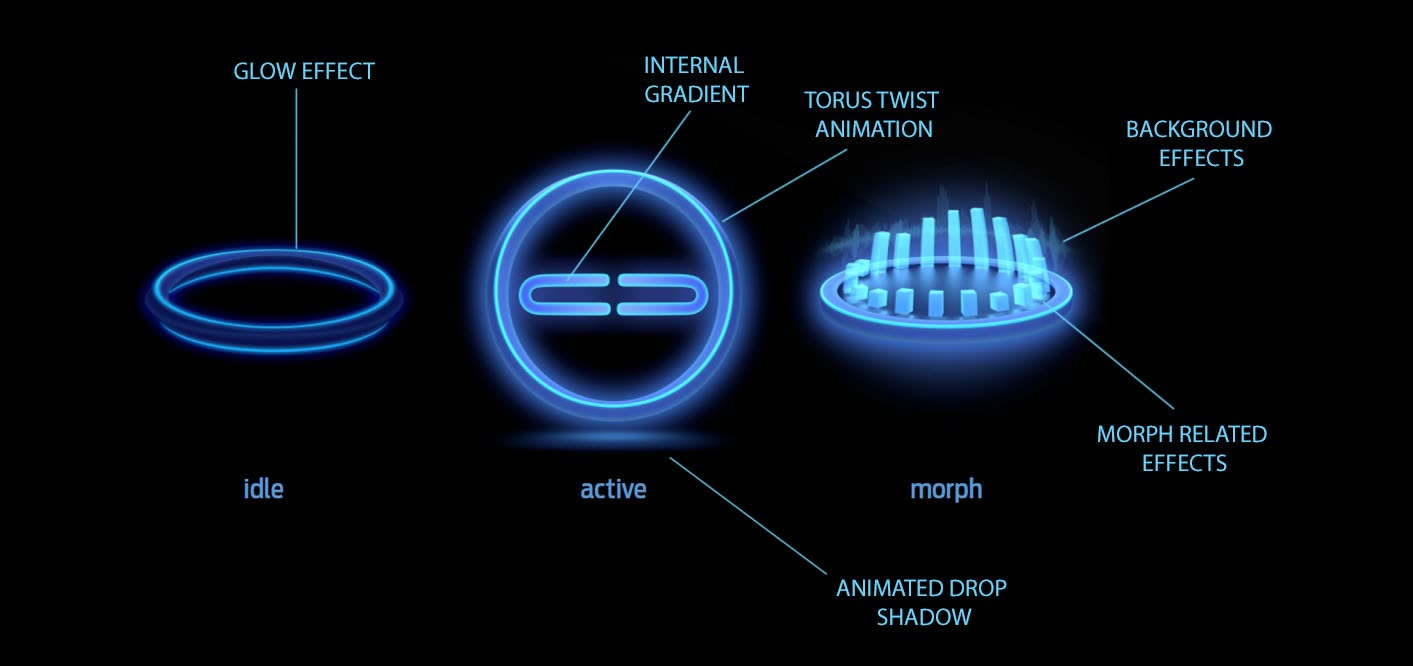
Postkom, our long-term partner, commissioned us to design such a virtual personal assistant character for Ford China. The project was a major challenge, involving multiple disciplines from character design to graphic and product design. We had to create a character that could act as a silent helper across Ford’s wide range of vehicles, while also considering regional cultural preferences.
Defining the Direction
One of the biggest challenges was deciding where to begin. Character development, graphic design, functionality, and brand values were all closely interconnected, making it important to establish a clear direction before moving forward.
Based on the brief, we were targeting a clearly defined, technology-oriented audience. The challenge was to create a design that felt innovative and high-tech while still retaining enough personality and warmth to be engaging and relatable.

Production
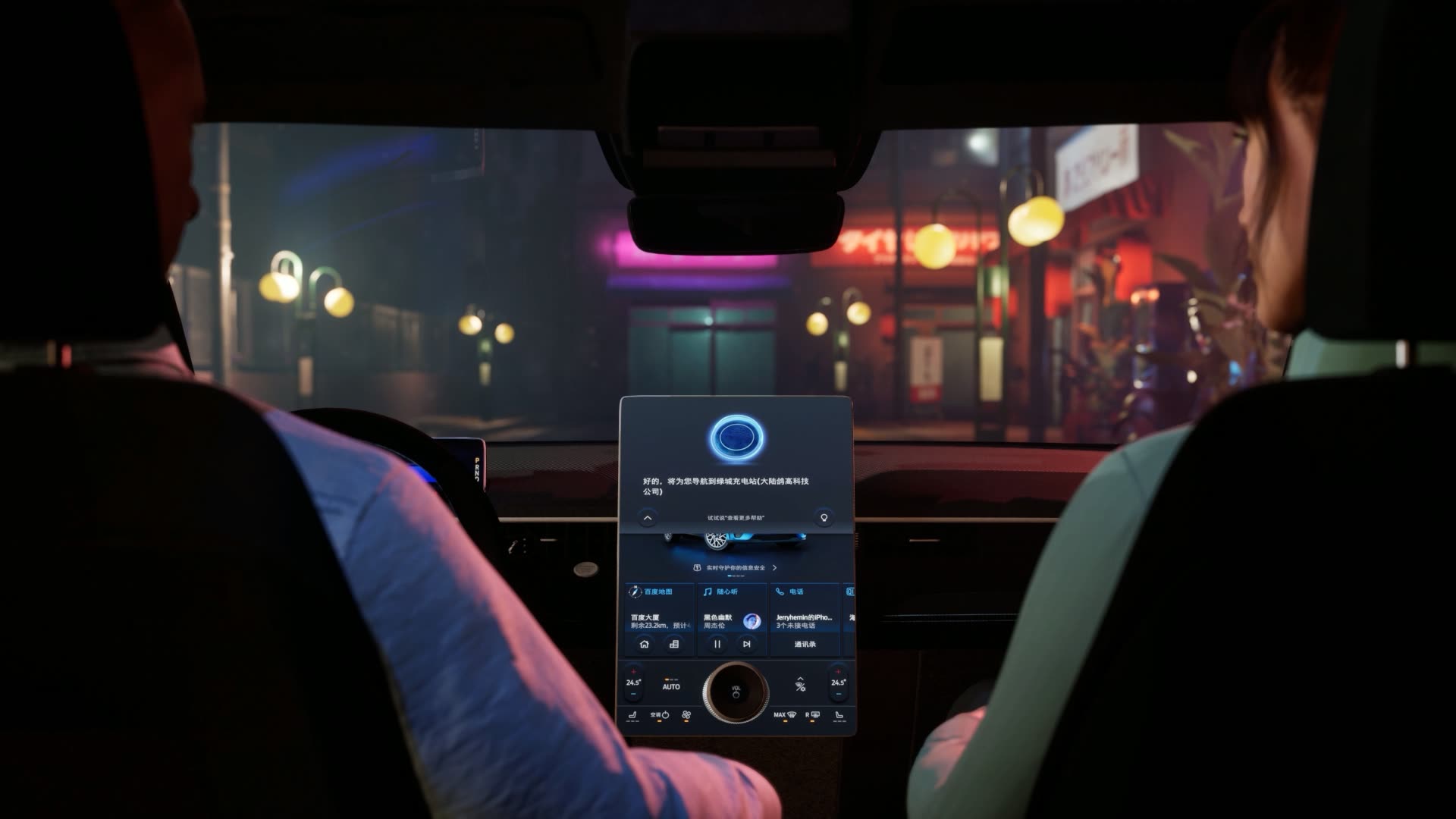
Production was again quite a challange to manage since we had multiple persons working on the show over a year and it was sometimes in and out of production.
Character Design
Perhaps the biggest challenge was balancing Ford's brand identity requirements with the need to create a character that felt more than just an icon. It needed to express emotions such as confusion, curiosity, or empathy, while consistently representing the brand in a positive and recognizable way.
Designing a character with a distinct personality while remaining faithful to a global brand meant walking a very fine line throughout the entire process.

Technical Constraints
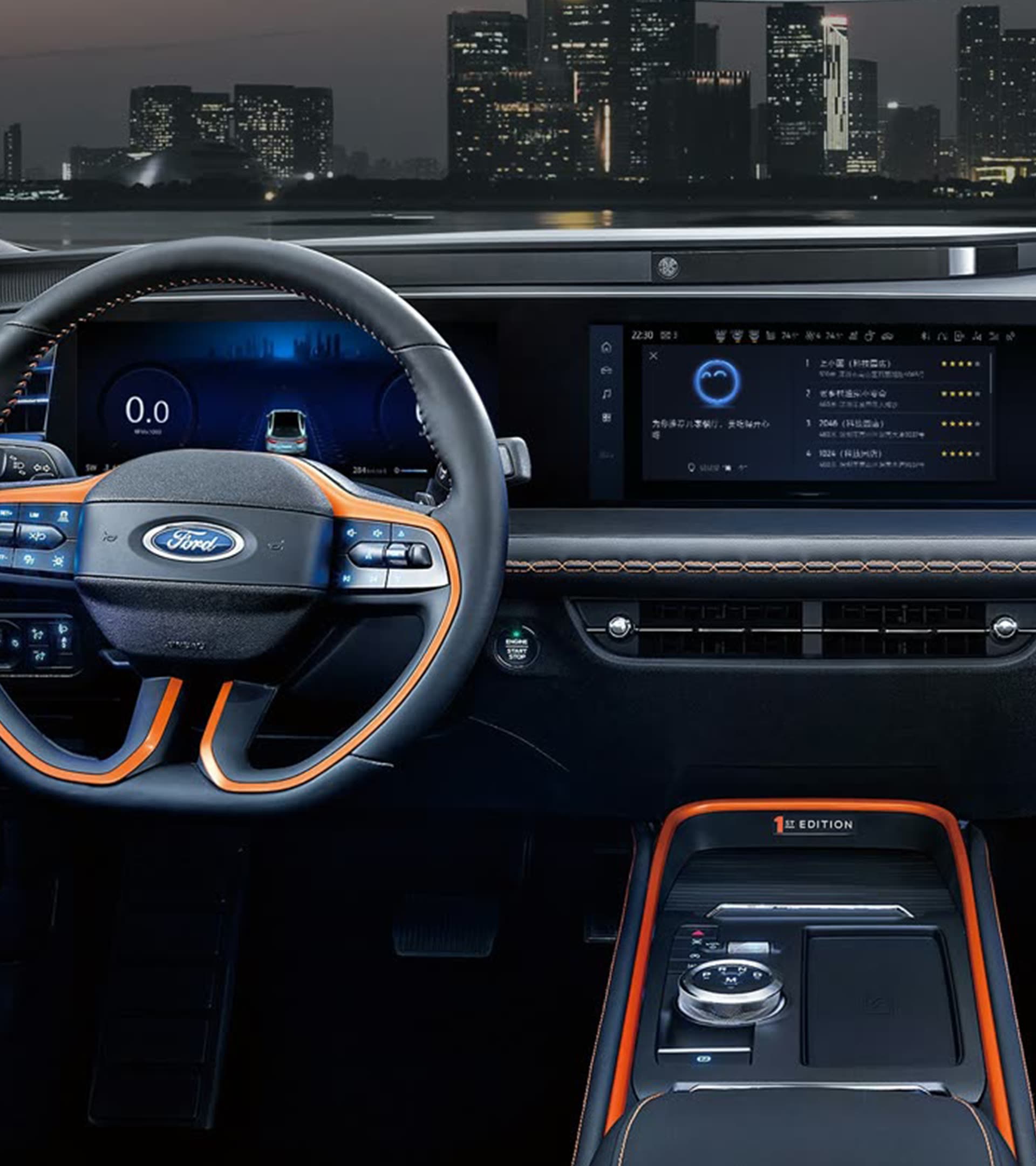
Another important consideration was the wide range of vehicle hardware involved in the project. Since multiple car models with different technical capabilities had to be supported, optimization became a key factor throughout development. While a fully real-time solution would have been ideal, the diversity of in-car systems and their limited graphics performance required a more flexible and carefully optimized approach.
Results
This is the point where we proudly present what we ended up with.